|
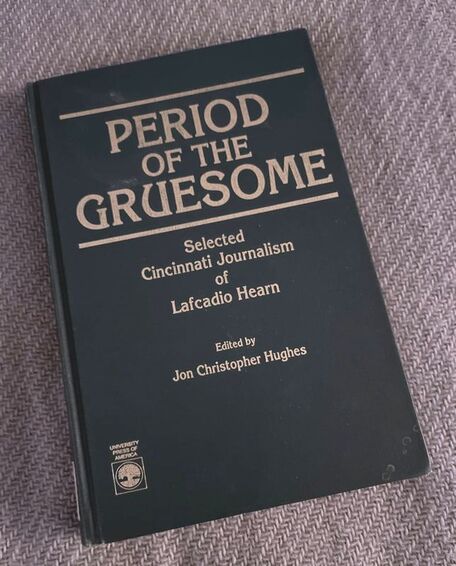
This irresistable title was our introduction to Lafcadio Hearn. We loved his purple prose, which described our hometown as if it lurked in the lizard-brain of Dickens or Poe: 
|
Our interest deepened when we learned of his life story, his global wandering, and his complicated psyche. There is an active Lafcadio Hearn society here; his descendants and relatives visit often.
Finally, we came to see Hearn as a symbol of the turbulent nature of the times. He arrived in America as it was 'recovering' from the Civil War, and undergoing massive growth. As a foreigner who preferred to be elsewhere most of the time, he depicted what he saw with a jaundiced but fascinated eye.
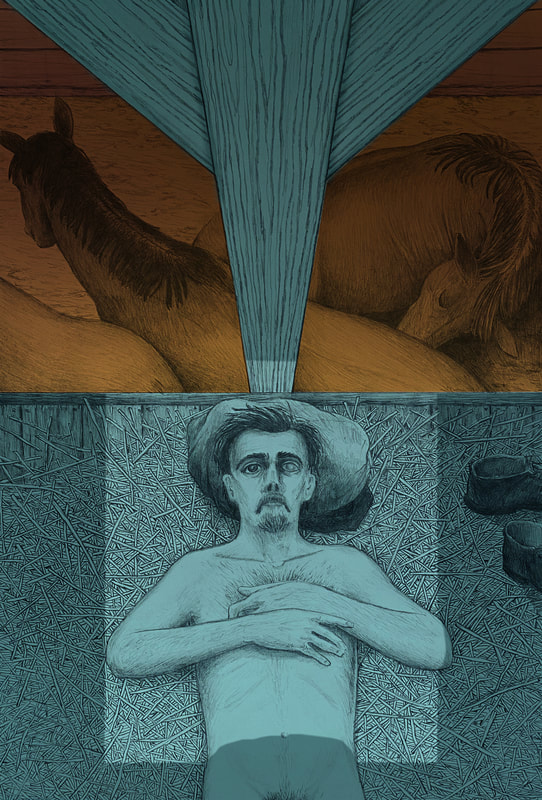
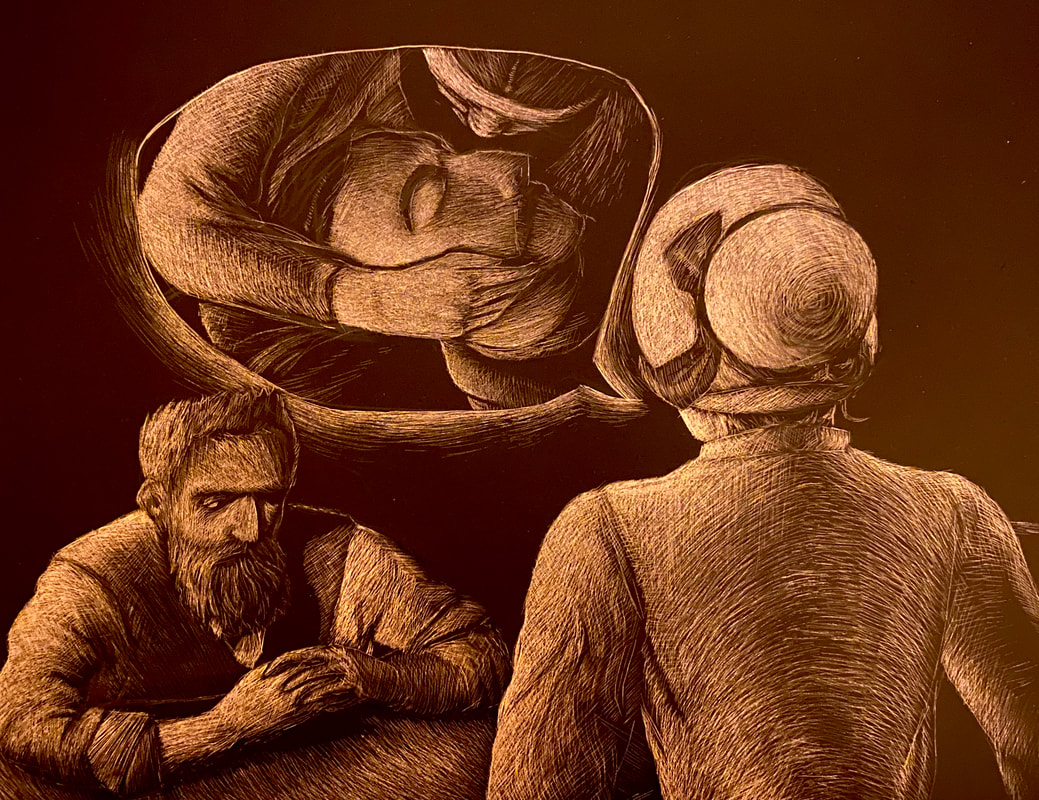
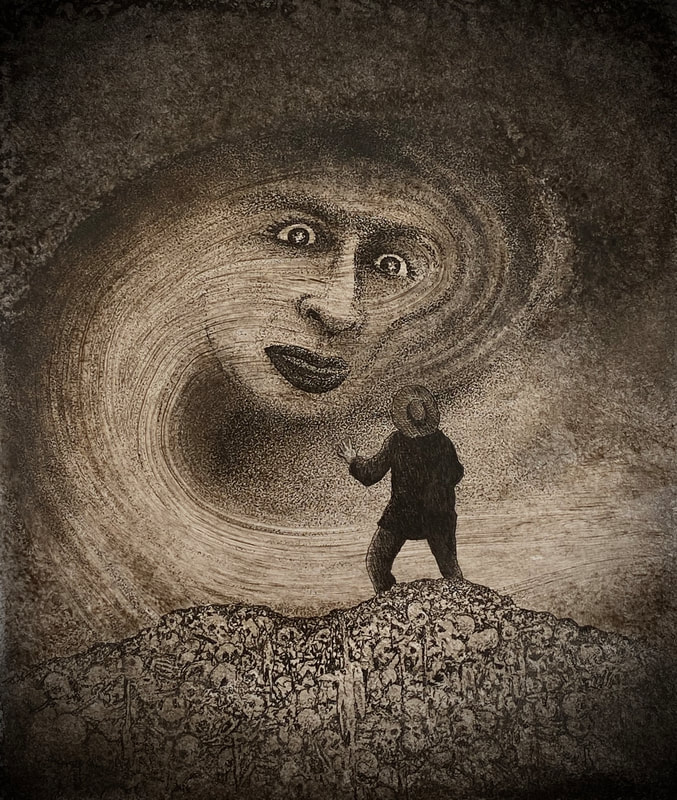
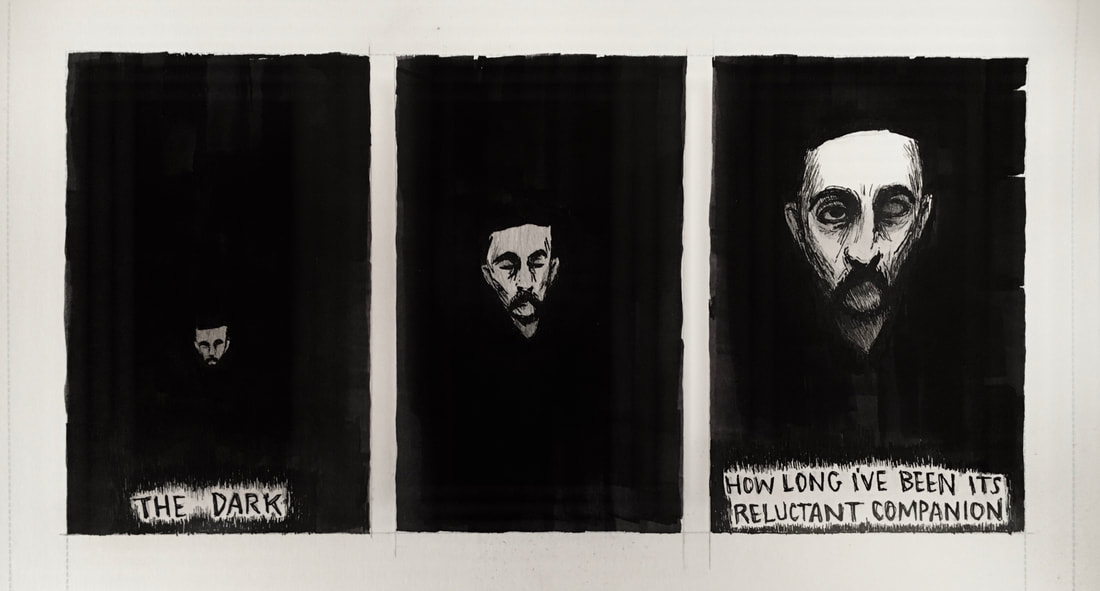
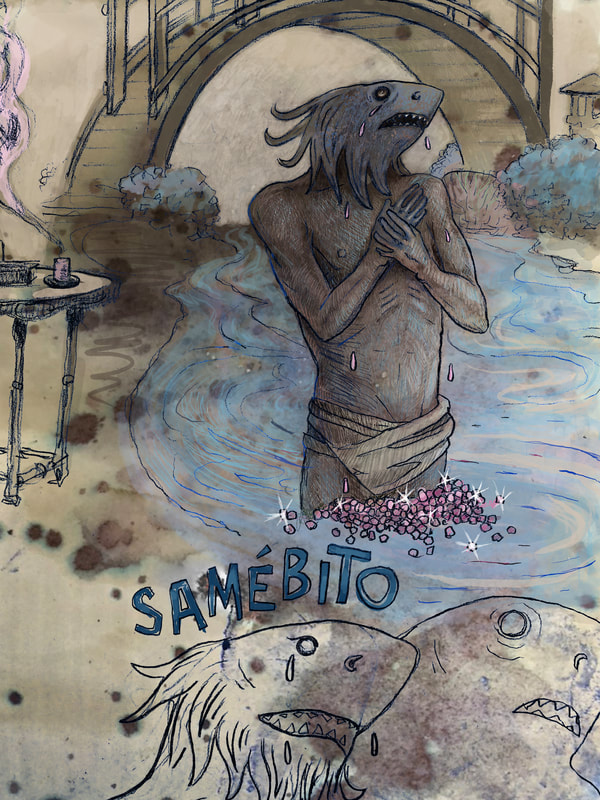
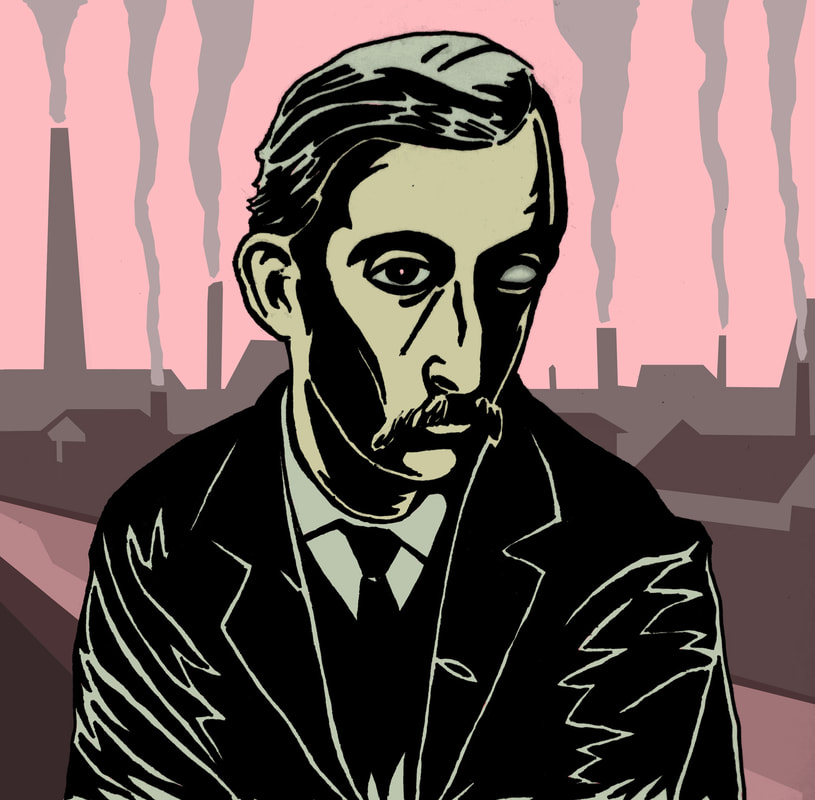
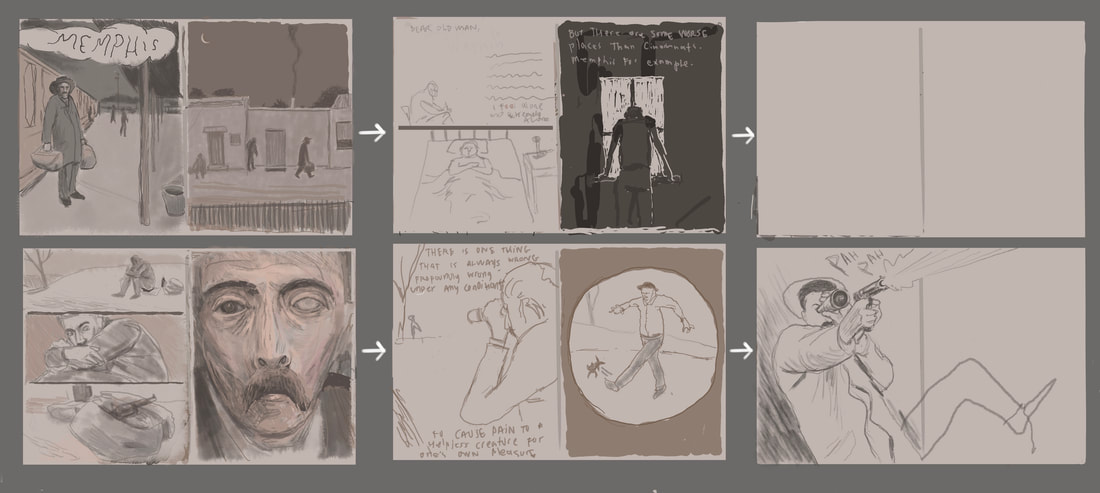
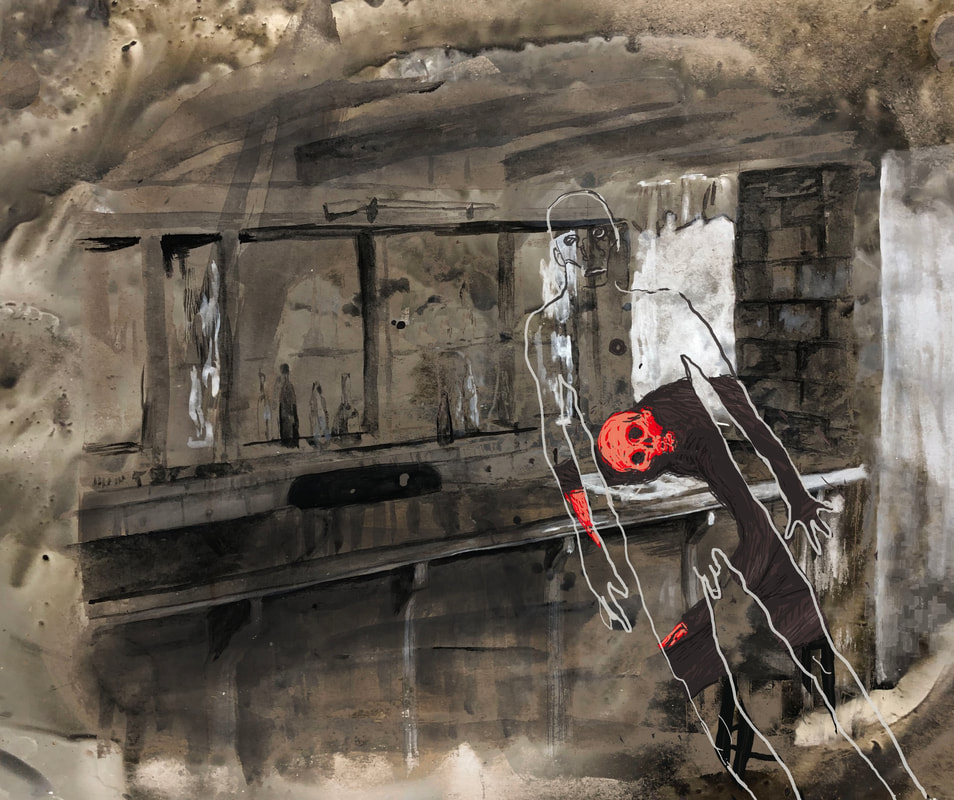
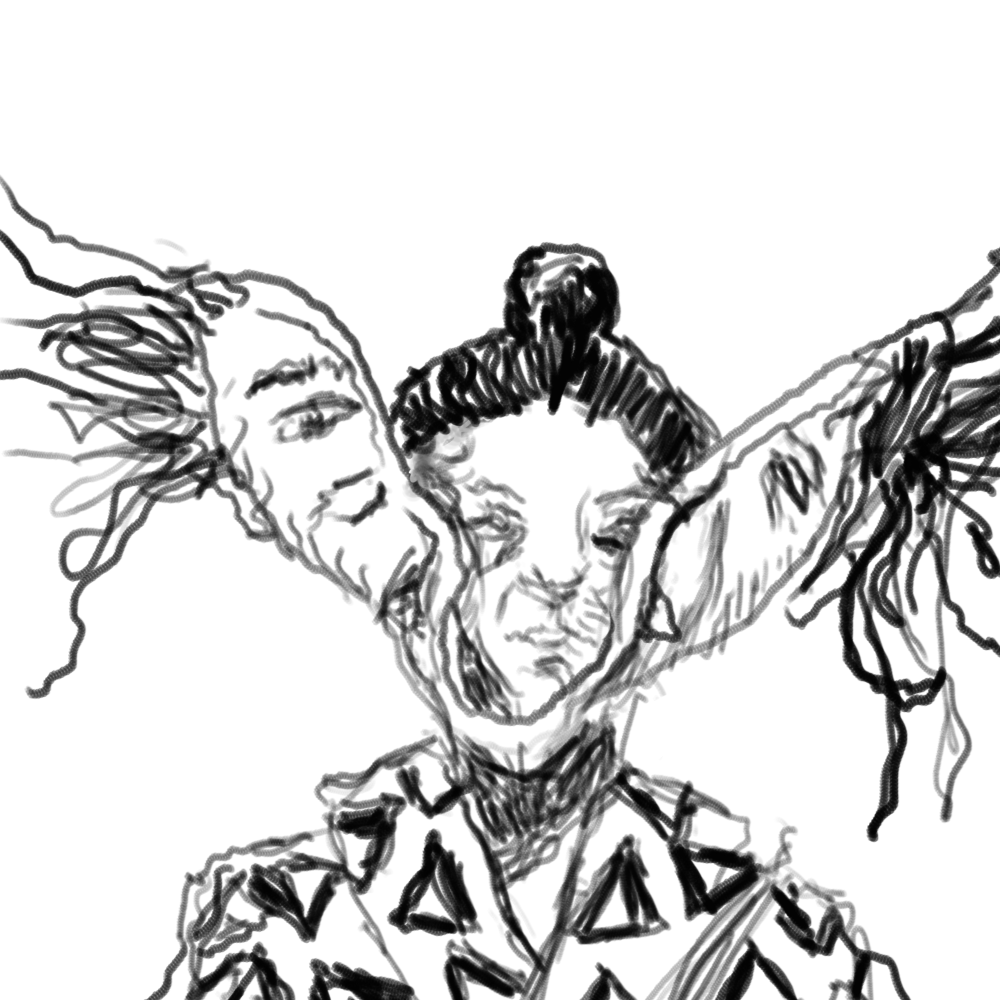
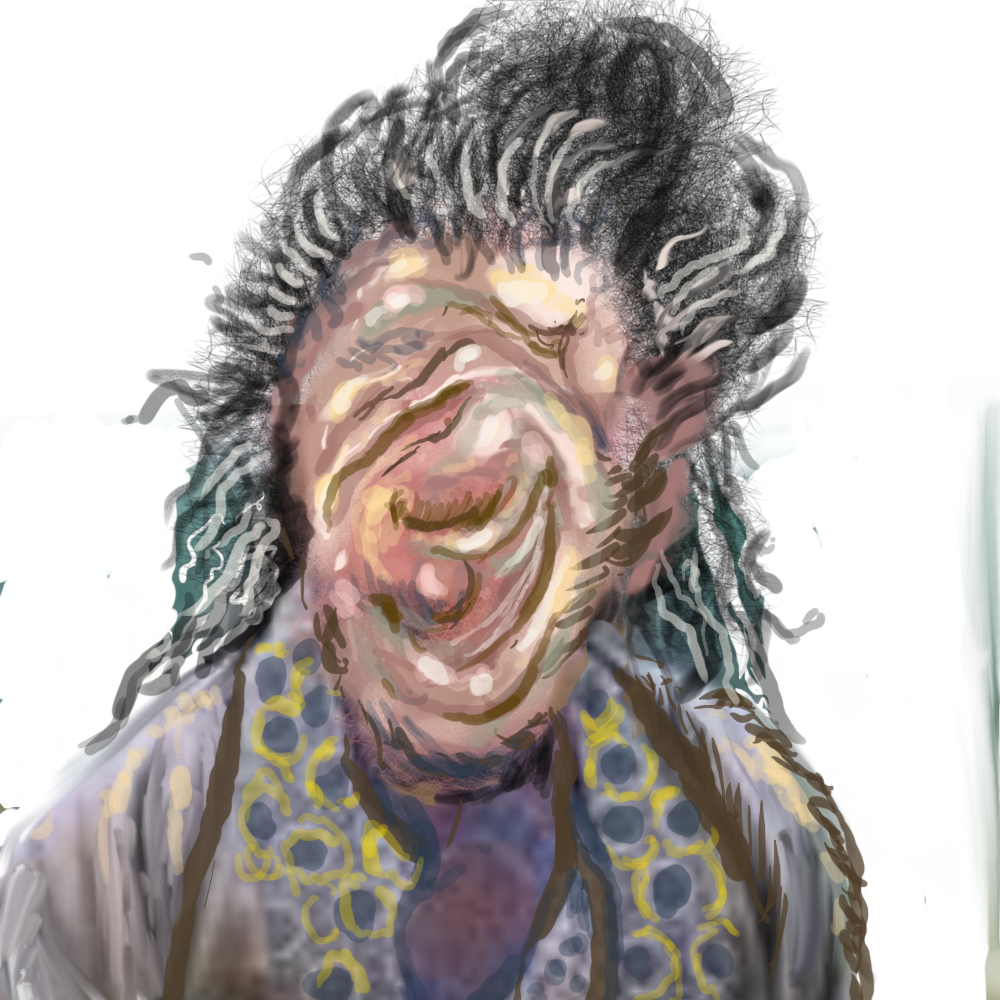
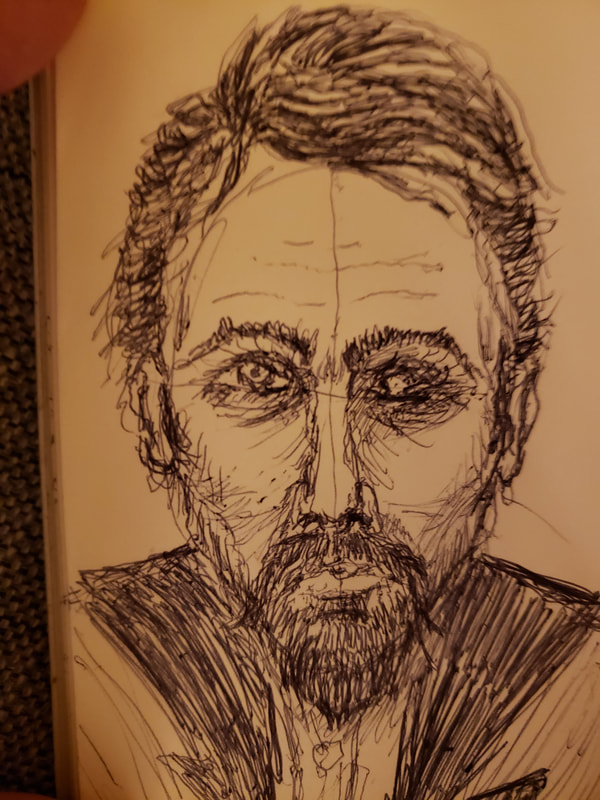
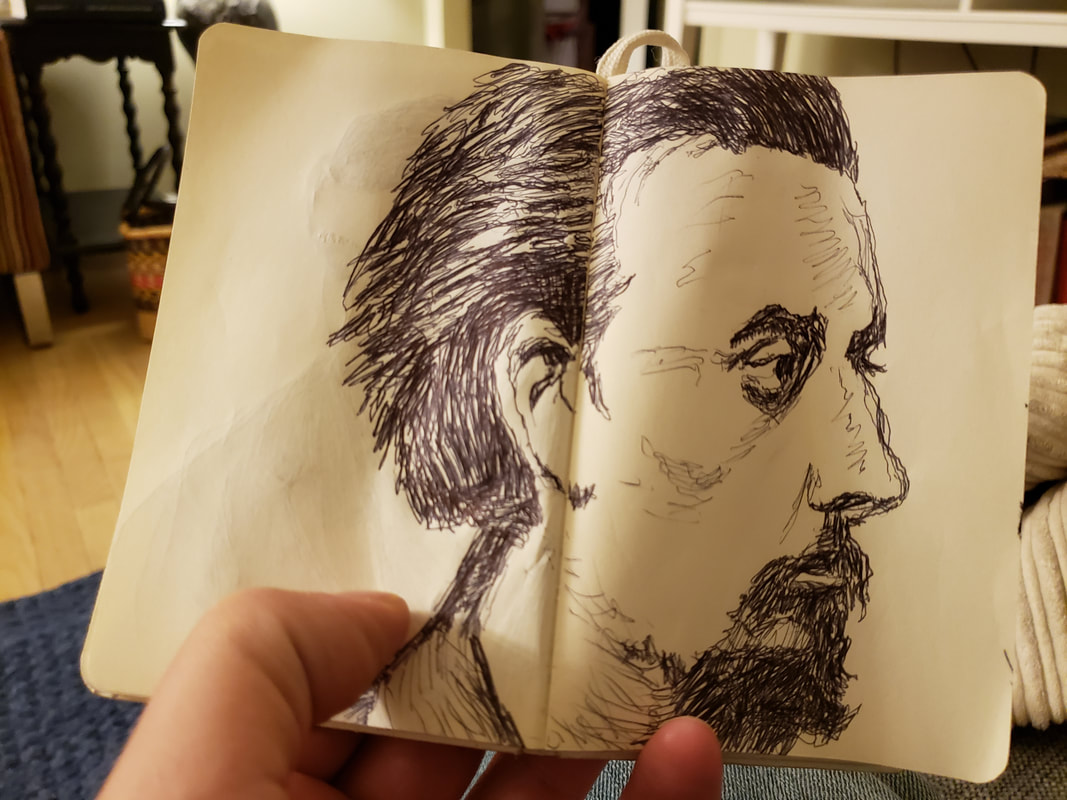
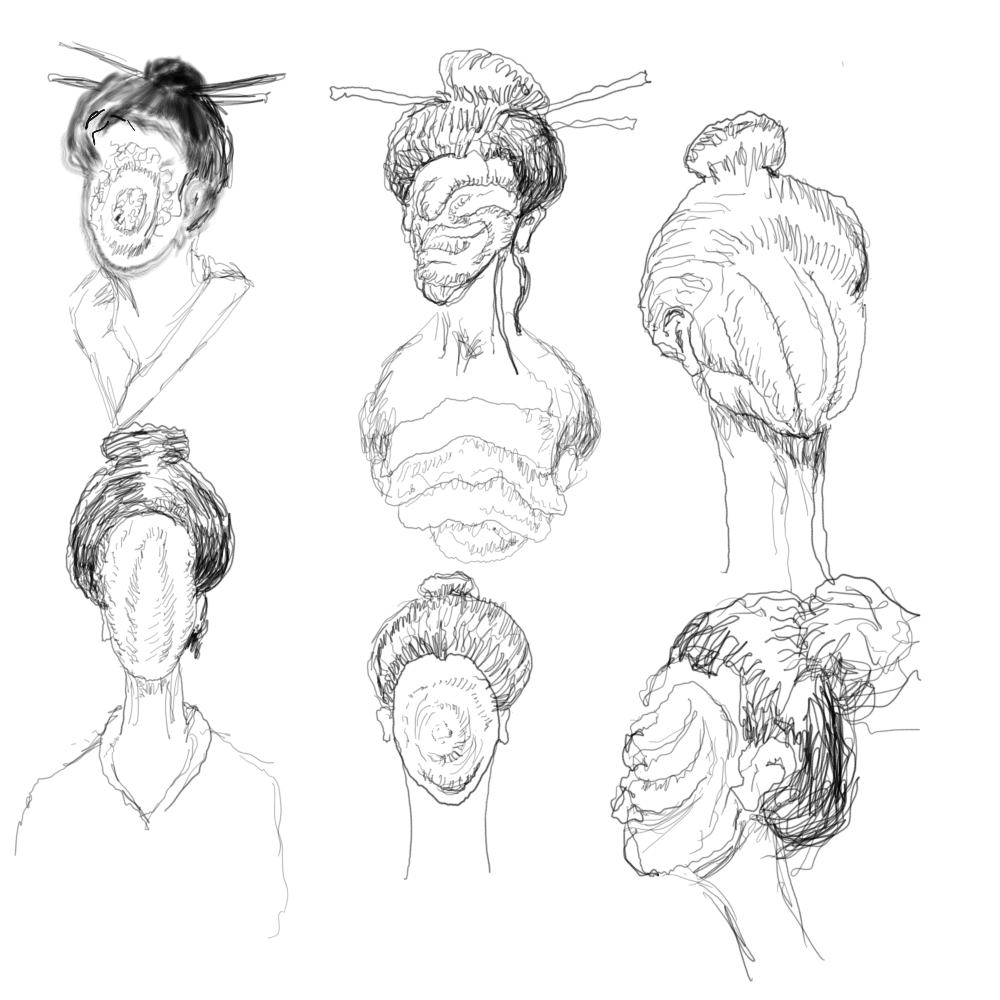
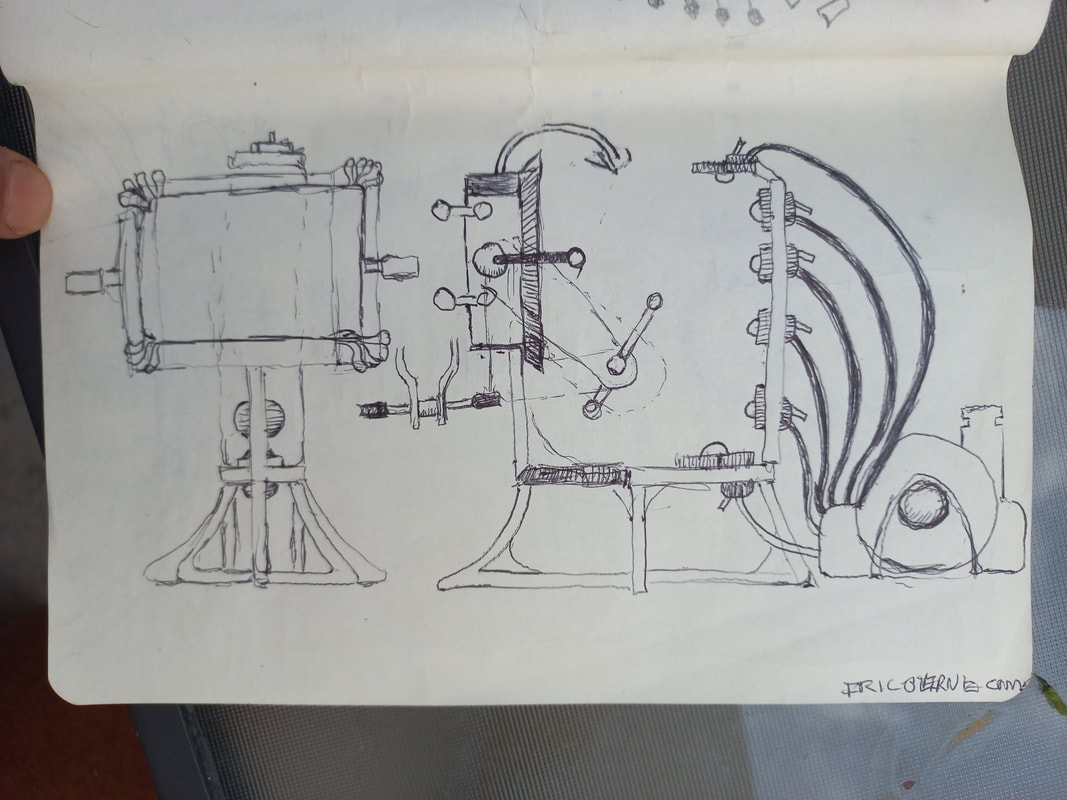
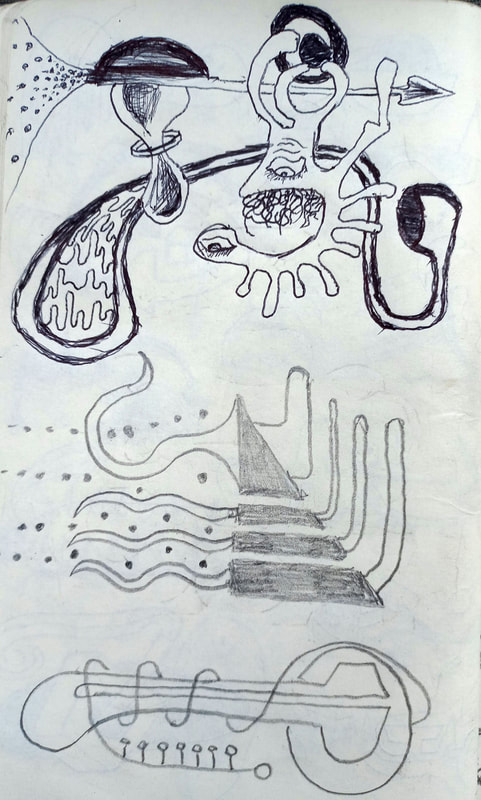
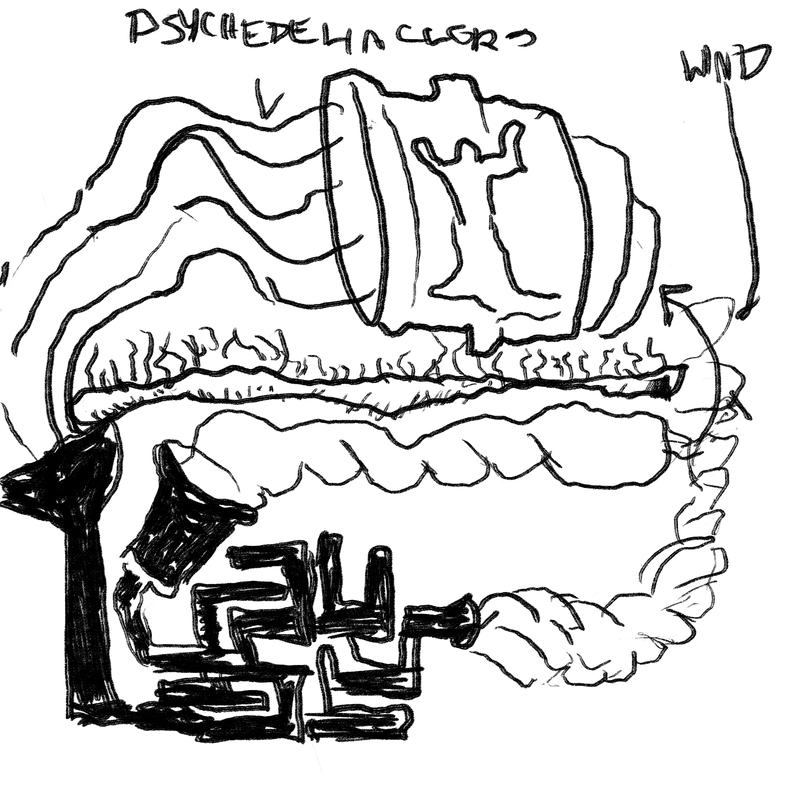
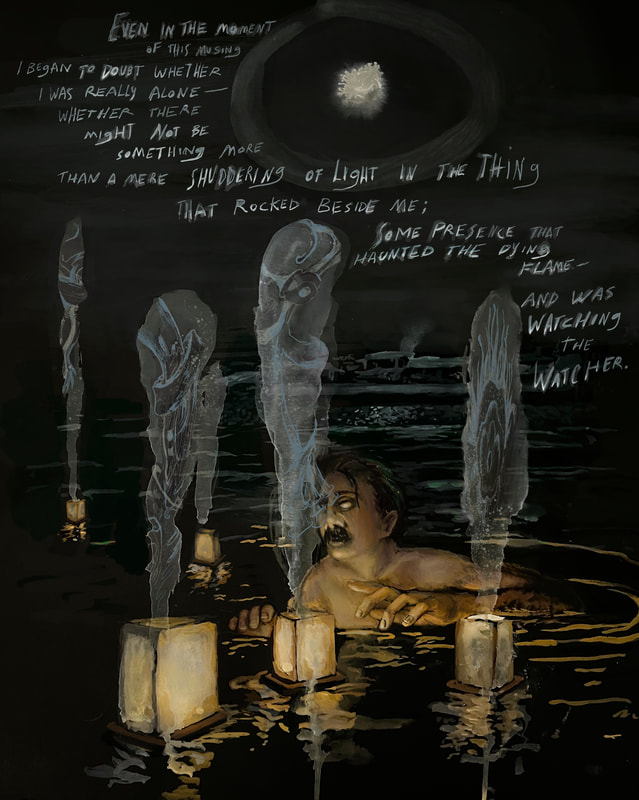
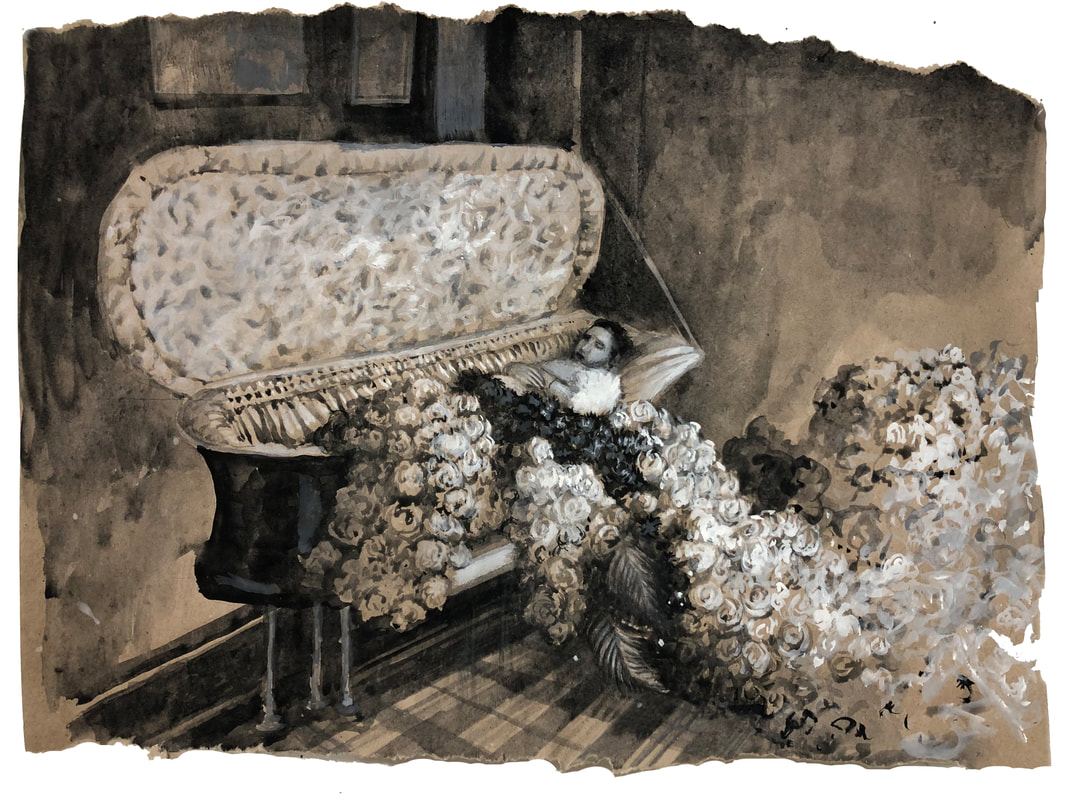
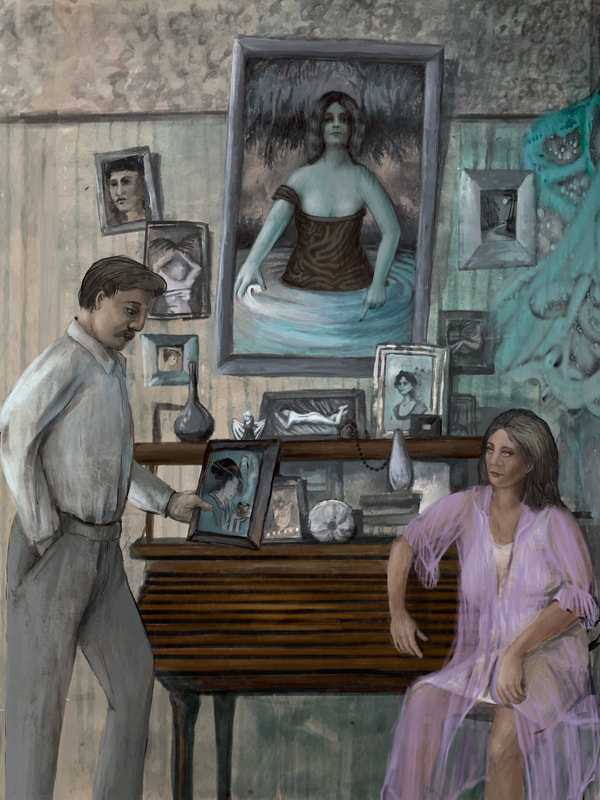
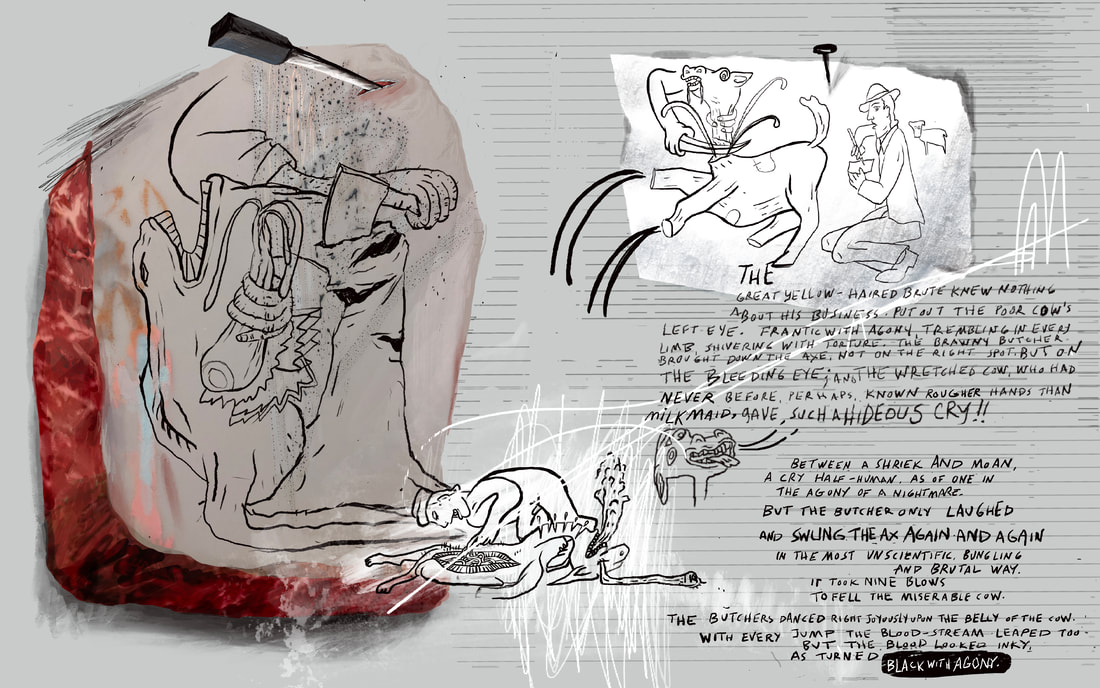
Our development of this book has been an intensive process of writing, sketching, outlining, etc. Below you can see various styles we have worked through to help determine the visual language of our story- what is working and what might needs development. Our story employs magic realism as well as many historical 'easter eggs' for readers. The arc is the personal journey of Hearn, from orphaned outcast to folk hero.
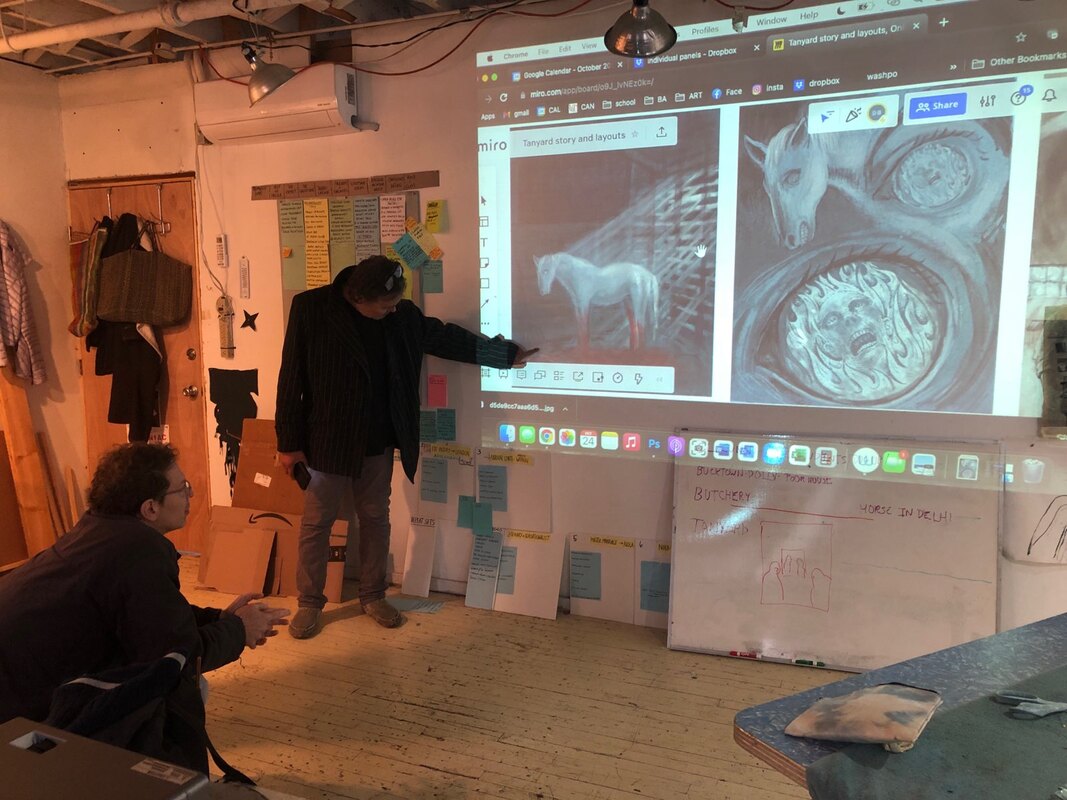
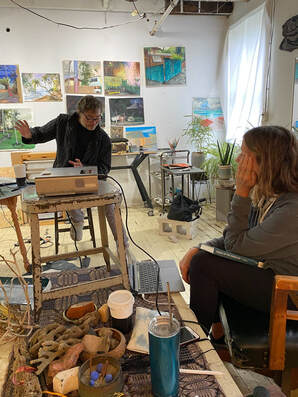
We hold bi-weekly charettes where we grapple with the idea of Hearn through targeted strategy sessions and individual meanderings.
Finally, we came to see Hearn as a symbol of the turbulent nature of the times. He arrived in America as it was 'recovering' from the Civil War, and undergoing massive growth. As a foreigner who preferred to be elsewhere most of the time, he depicted what he saw with a jaundiced but fascinated eye.
Our development of this book has been an intensive process of writing, sketching, outlining, etc. Below you can see various styles we have worked through to help determine the visual language of our story- what is working and what might needs development. Our story employs magic realism as well as many historical 'easter eggs' for readers. The arc is the personal journey of Hearn, from orphaned outcast to folk hero.
We hold bi-weekly charettes where we grapple with the idea of Hearn through targeted strategy sessions and individual meanderings.
|
|
ROB SKETCHBOOK
EVAN SKETCHBOOK
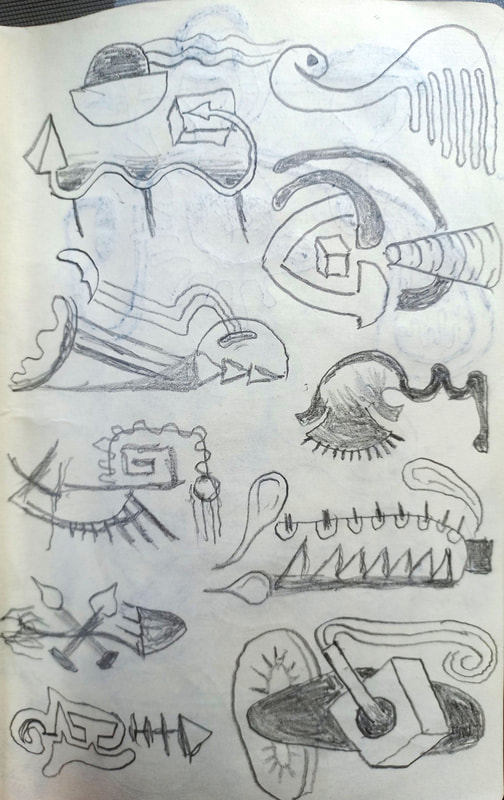
DENISE SKETCHBOOK
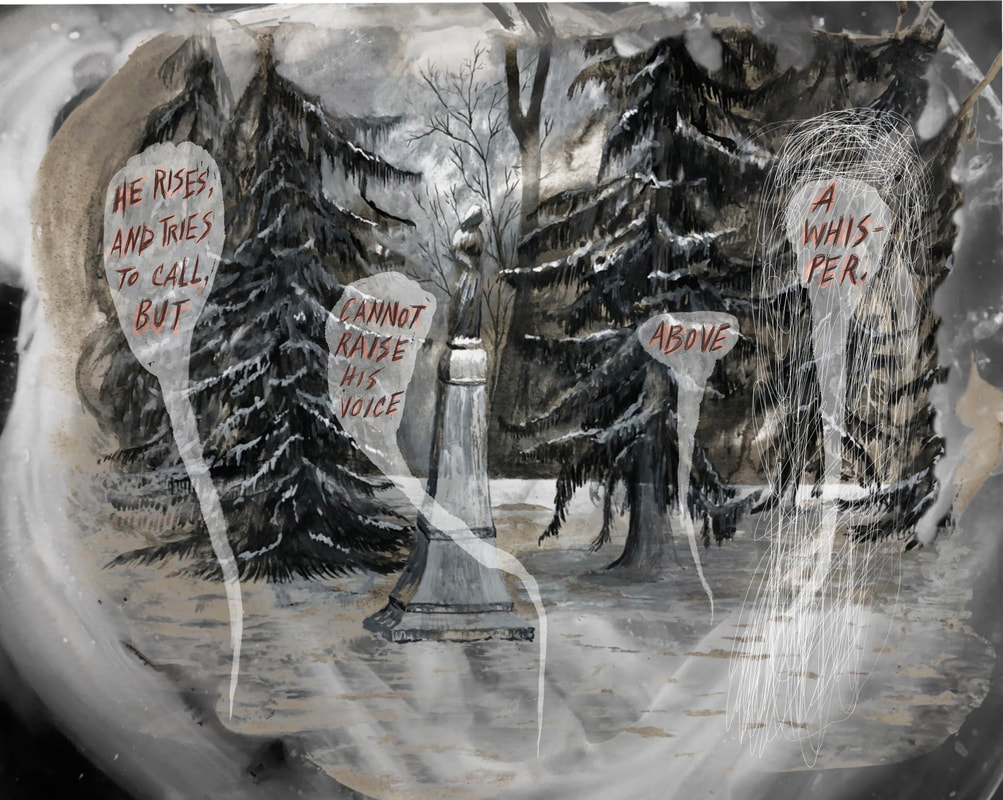
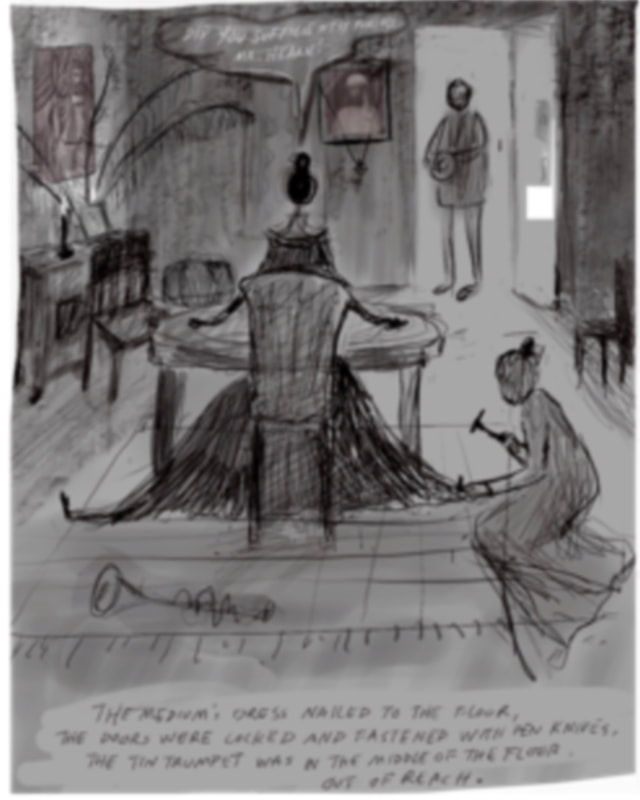
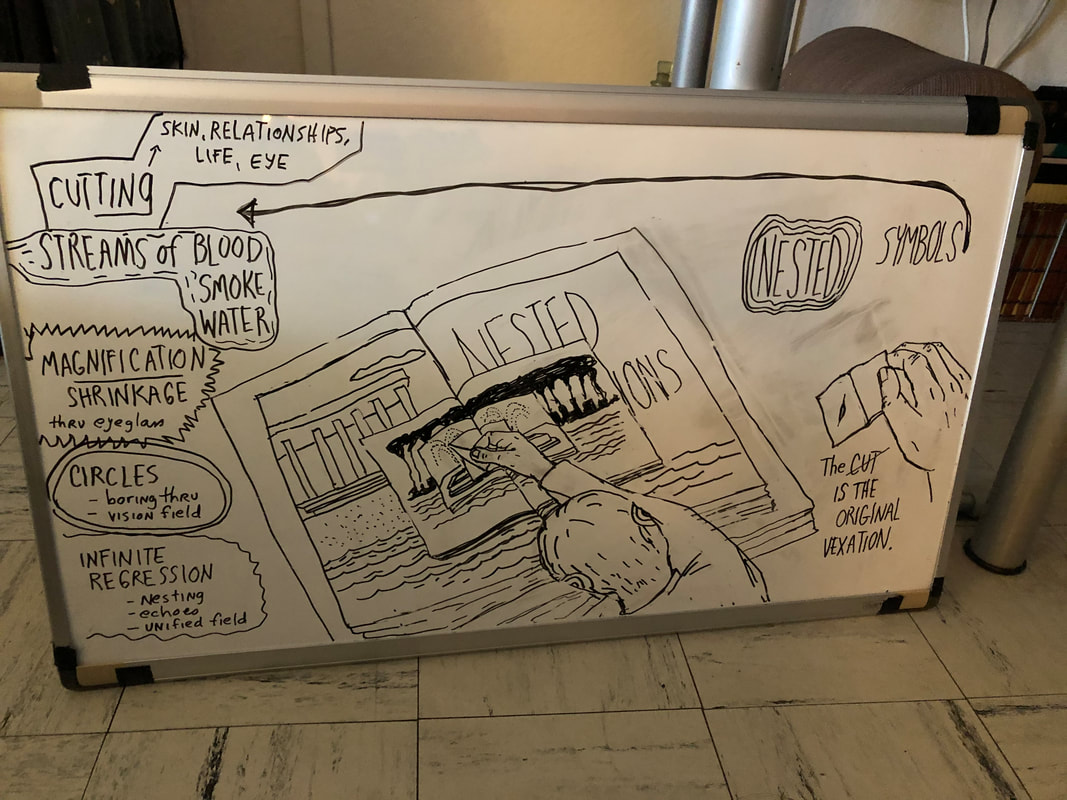
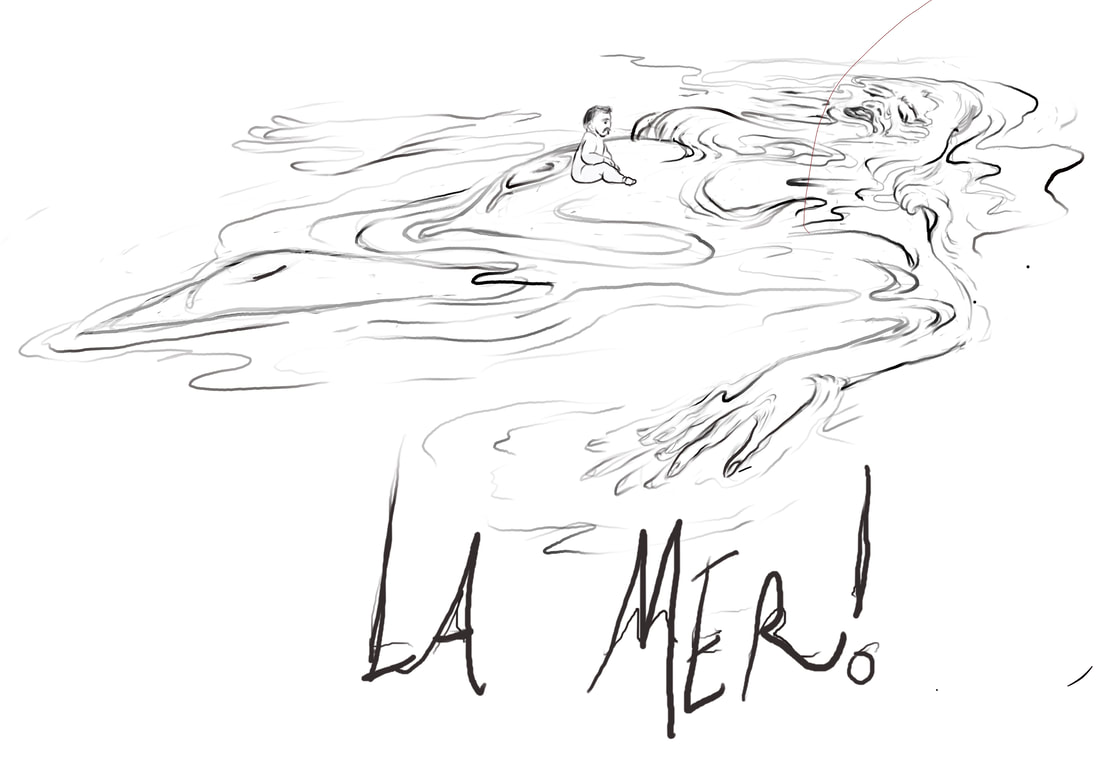
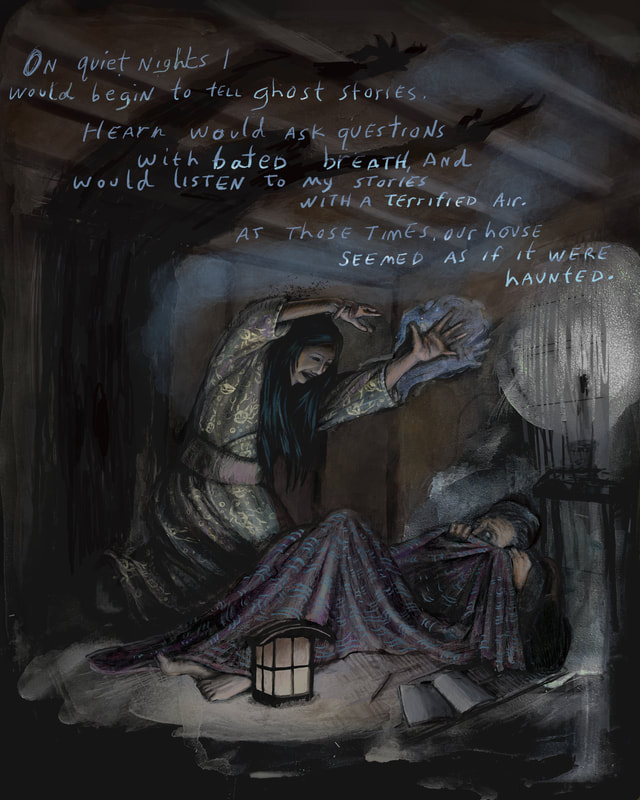
Iterations!
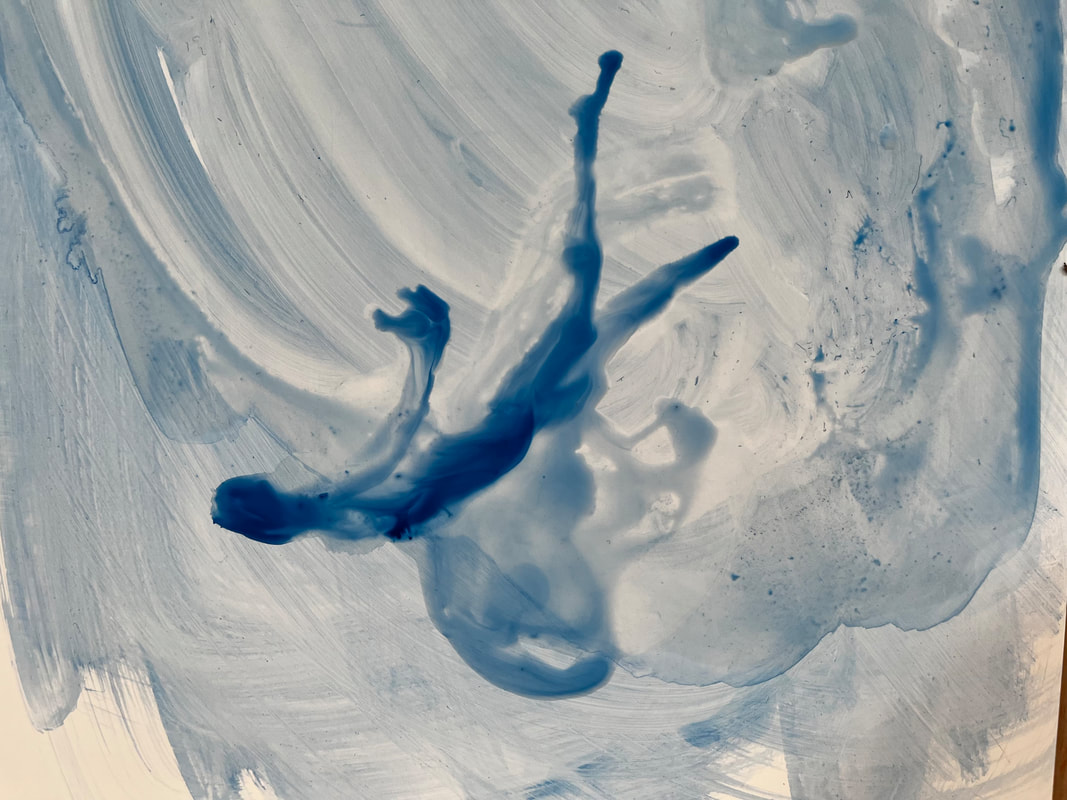
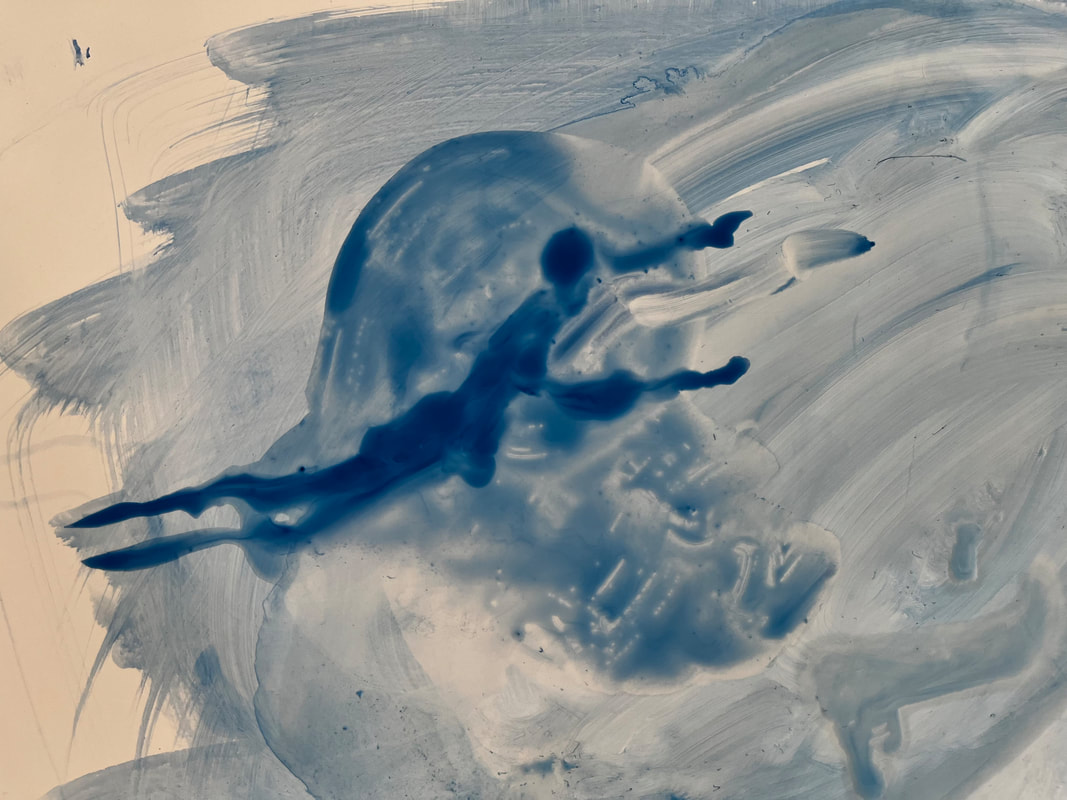
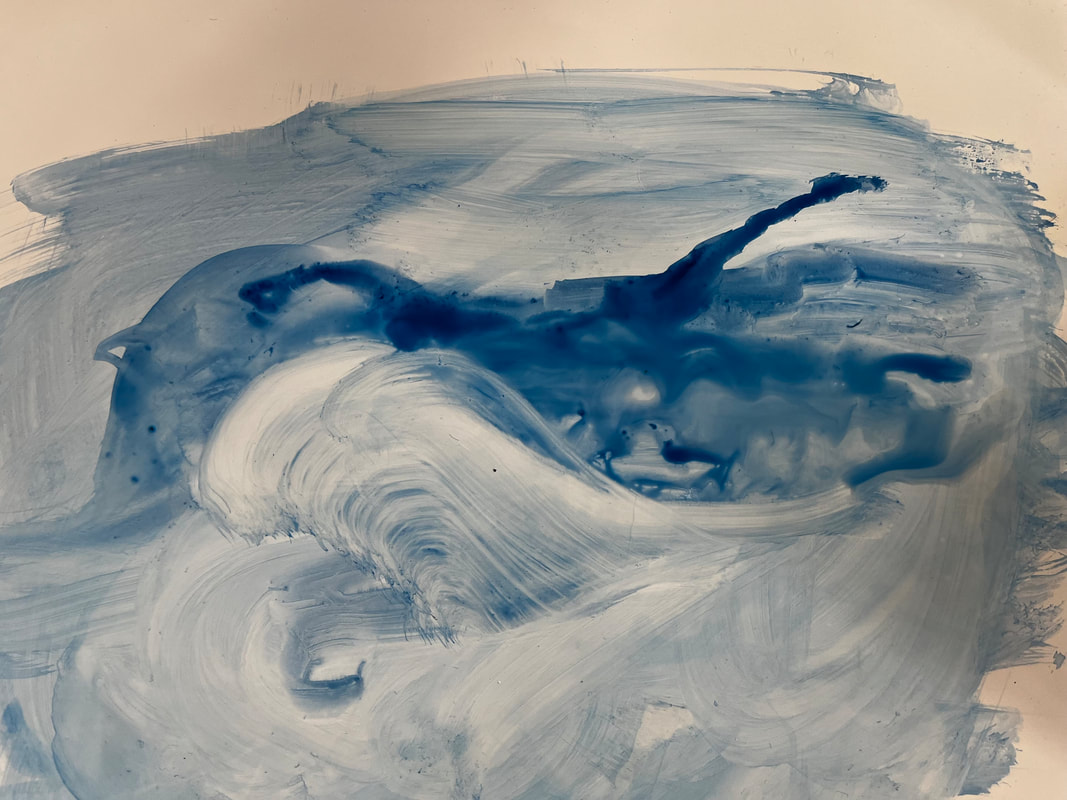
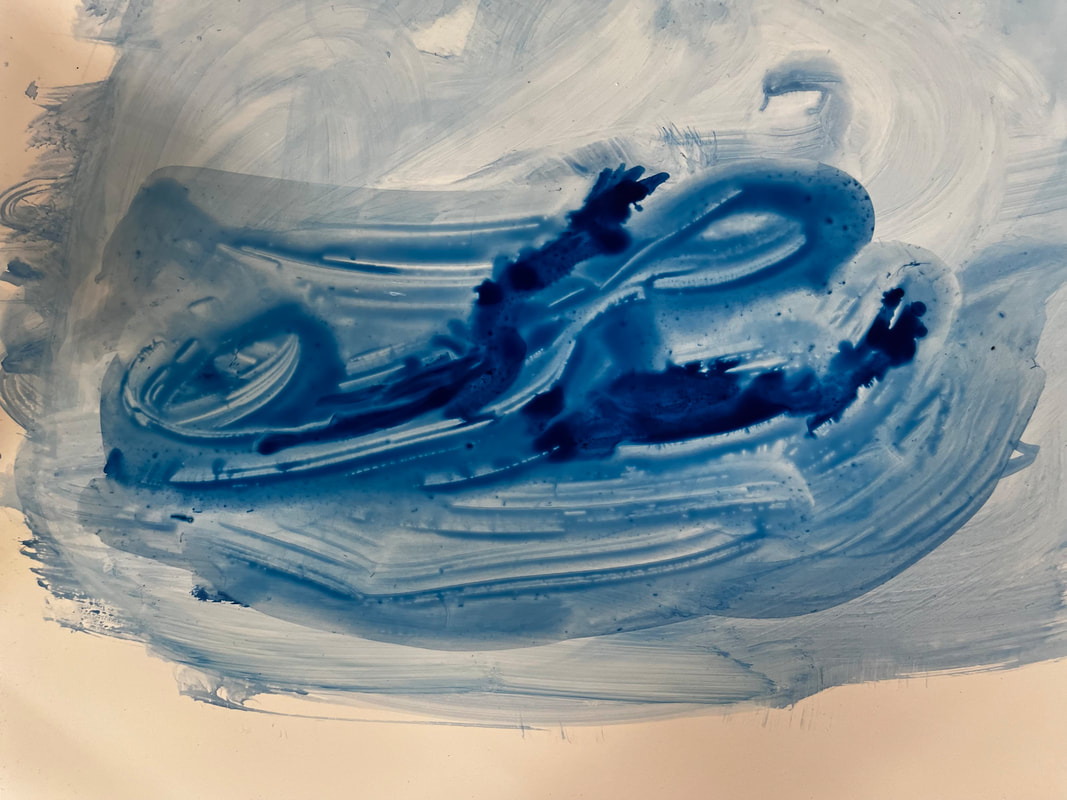
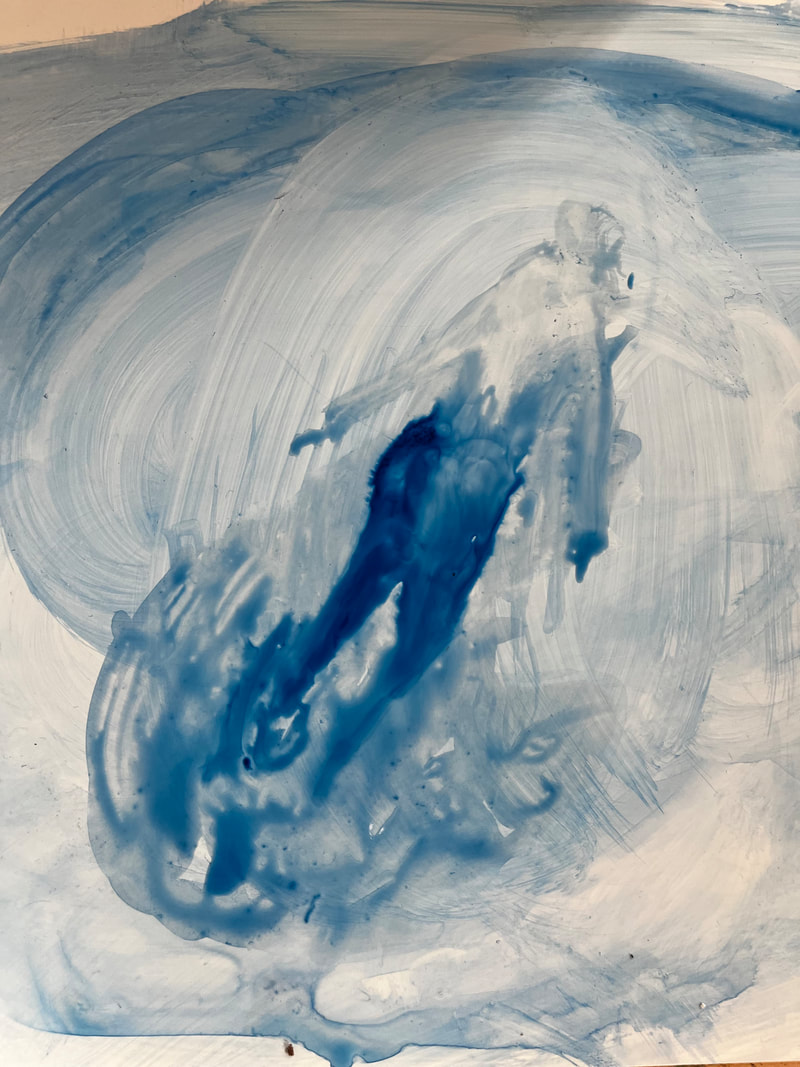
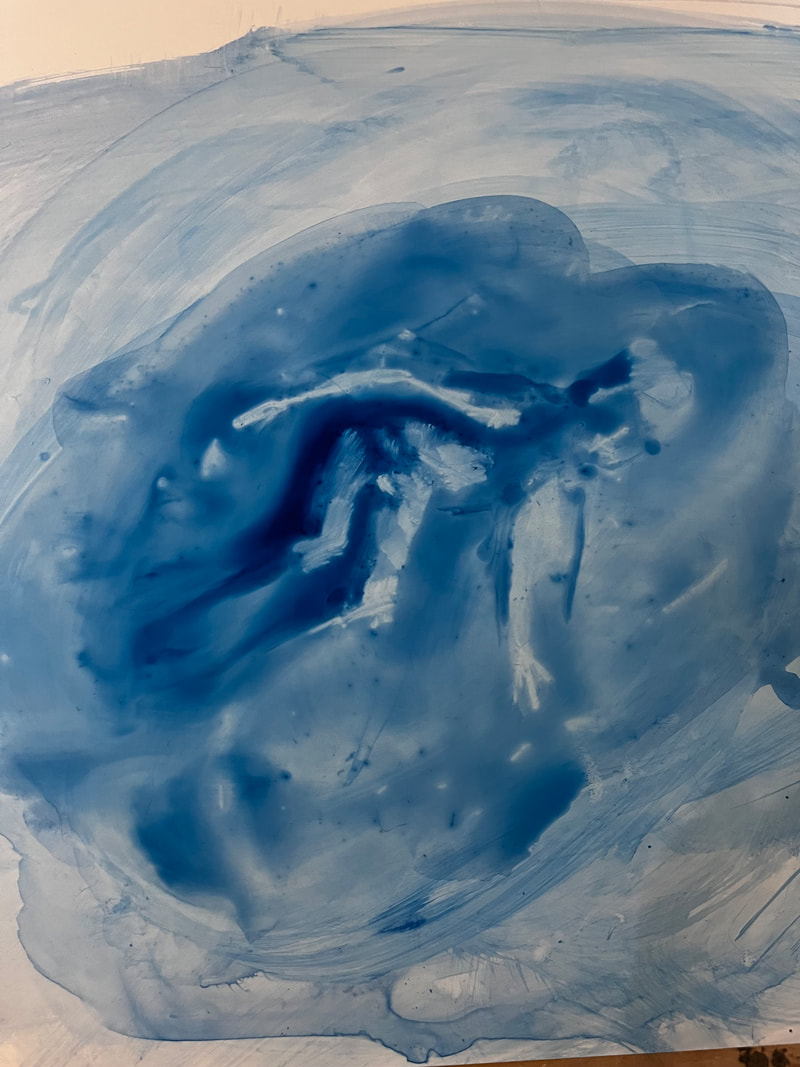
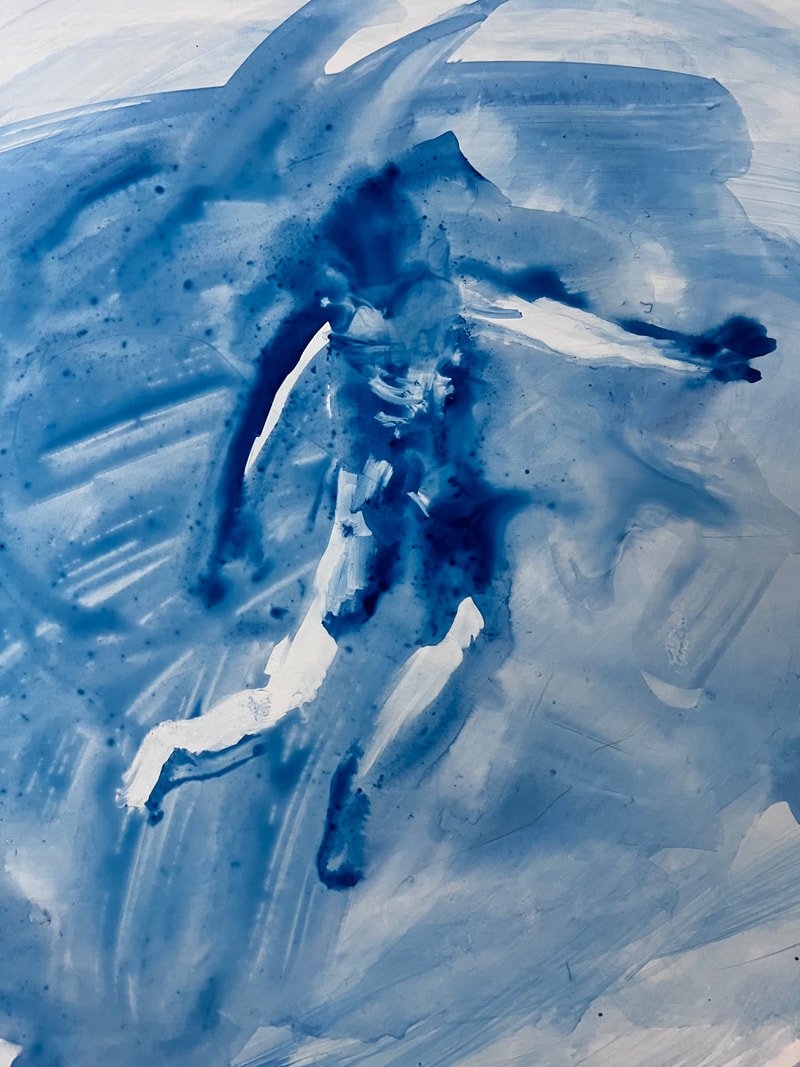
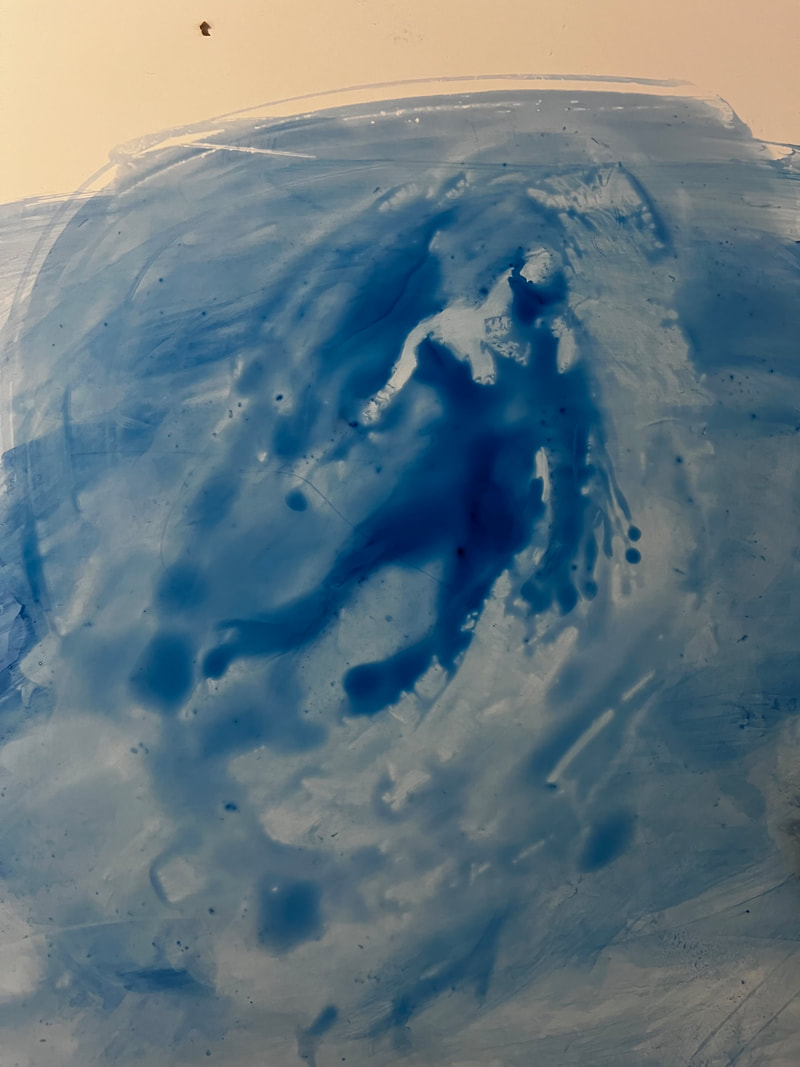
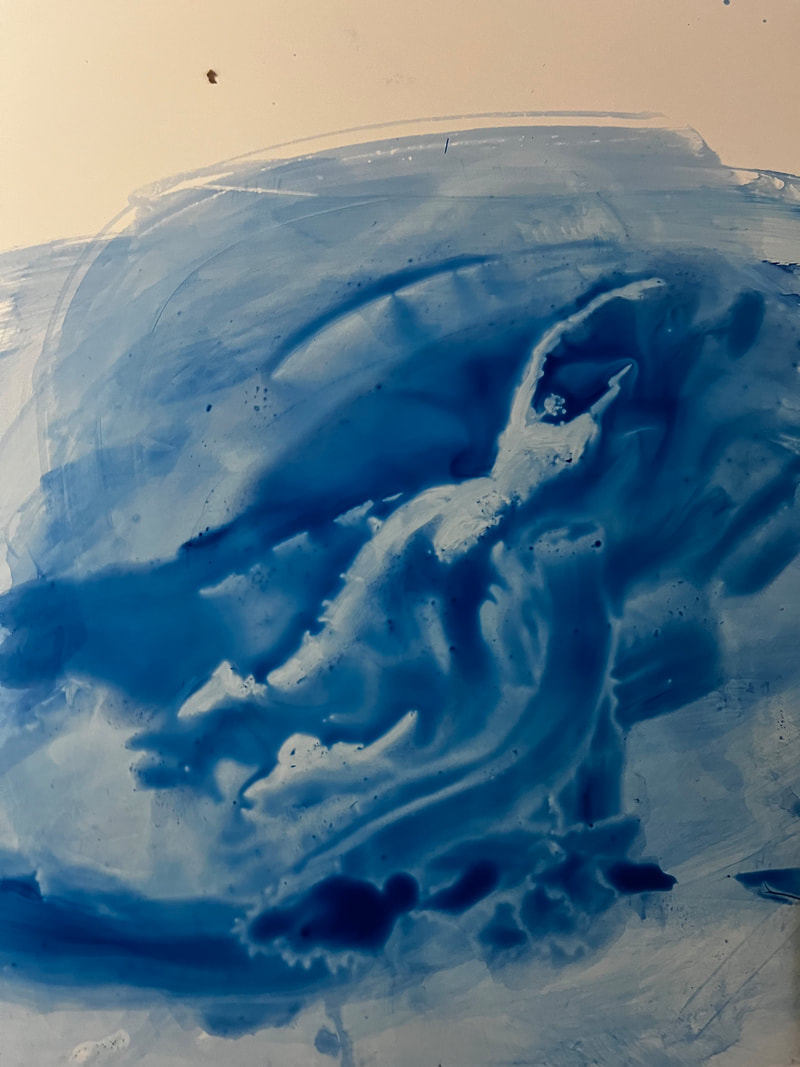
On an off day, Denise did some experiments with gouache on Yupo paper, on the theme of a body swimming. Hearn was an avid swimmer and loved the coast, especially warm tropical waters.
On an off day, Denise did some experiments with gouache on Yupo paper, on the theme of a body swimming. Hearn was an avid swimmer and loved the coast, especially warm tropical waters.